Discectomy & micro-discectomy
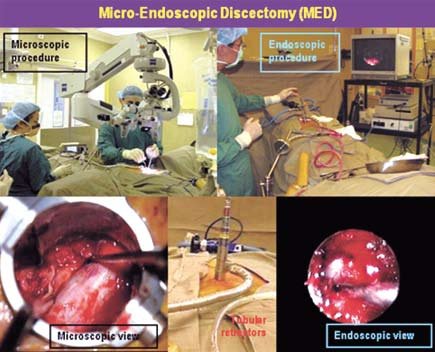
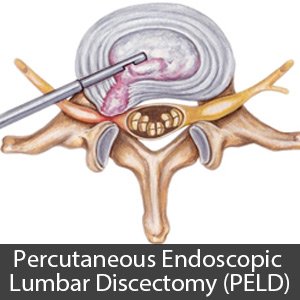
Removing the part of a prolapsed disc that presses on a nerve — through endoscopic (PELD) or micro-endoscopic (MetRx) techniques.
From image-guided injections to key-hole surgery and complex deformity correction — matched to your diagnosis, and always after conservative options have been considered.
Around 70% of spine patients are treated successfully without surgery. We identify the least invasive, most effective option first — and consider an operation only when appropriate conservative treatment has not given relief.
Known to patients as micro, microscopic, key-hole or endoscopic surgery. Smaller incisions mean less tissue damage, less pain and a quicker return to daily life.
Removing the part of a prolapsed disc that presses on a nerve — through endoscopic (PELD) or micro-endoscopic (MetRx) techniques.
Laminotomy, laminectomy and micro-decompression to relieve pressure on the spinal cord and nerves in canal stenosis.
MIS-TLIF and fusion for instability, spondylolisthesis, trauma, infection and tumours — stabilising the affected segment.
Artificial (total) disc replacement to preserve movement in selected patients with chronic low back pain.
Correcting scoliosis and kyphosis in children and adults, including thoracoscopic anterior release and fusion.
Minimally invasive cement stabilisation for osteoporotic vertebral fractures and spinal metastases.
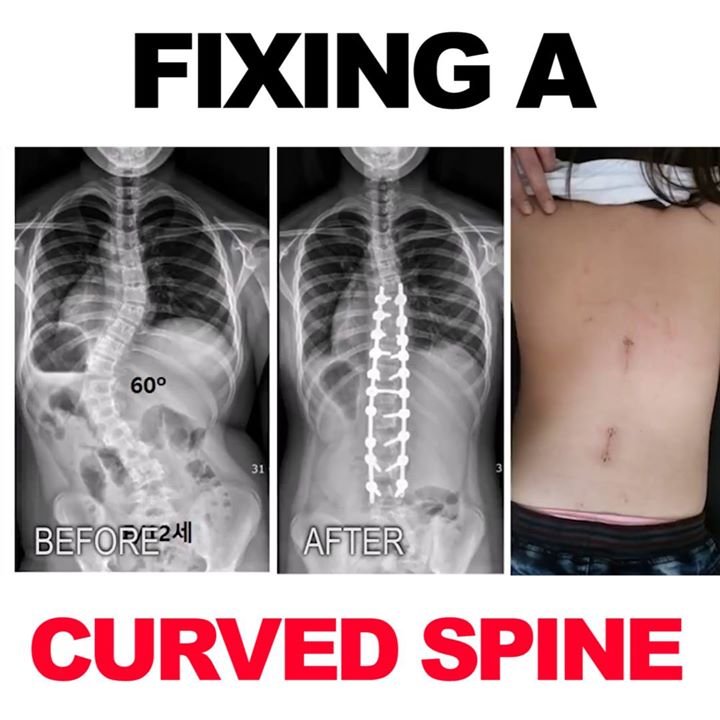
Covering the cervical, thoracic and lumbar spine, with minimally invasive and robotic techniques wherever they are appropriate.
Dr. Nishant Kumar offers surgery at Ranchi or Mumbai with the same operating team, so the quality of care is consistent wherever you choose to be treated.
About the surgeonSurgery and admission are arranged at established partner hospitals and nursing homes:
Bring your reports for a detailed evaluation. We'll explain the conservative and surgical options, with the pros and cons of each.